Wednesday, 18 November 2015

A tale of black caterpillars

One field on the farm is not for growing vegetables, it's for storing machinery, chipping up branches and making compost. In this field, the weeds...well let's say they don't get managed quite as much as in other fields!

However this is a good thing for wildlife. As a rule of thumb, less disturbance equals higher biodiversity, and in this field this is true. It grows fine crops of nettles, the first burst in March and April, which then go to seed and die back. Then a second burst come through in August and peak in September.

The nettle is a plant that gives us humans a nasty sting,but it's incredibly useful both for us and for insects. You can find any number of aphids and other small flying insects on nettle plants. It makes great soup, is an important medicinal herb and the Nazis even made uniforms from nettles in WW2.


But what could be a more pleasing sight than these black caterpillars devouring nettles? It's a plant I feel happy for them to attack as much as they like (there were plenty more plants, nettle lovers...), but look at the colour of the insects - beautiful.

Furthermore these are destined to become, I think, one of the most beautiful butterflies, the Red Admiral.

So next time you see a patch of nettles just look out for those black caterpillars.

Saturday, 23 May 2015

Early potatoes

Potatoes can be a very rewarding crop to grow. It starts off in the dark days of winter when you start "chitting" the 'seed' - i.e. allowing the potatoes you plant to grow little shoots.

Ridging up the early crop
When it comes to about mid February we are always keen to get the first early potatoes in the ground, upon which we have always put seaweed on the autumn before. This gives the soil a lot of nutrients and masses of organic matter. Both of these are crucial for the quality and taste of the potatoes.

There will always be a point when, despite the cool temperatures and sometimes wet and windy conditions, we're keen to just plant and get the new season crop underway. Then they sit there underground for several weeks, the roots slowly growing and shoots slowly rising up to the surface.

At some point in March little shoots will emerge and a sense of relief comes over us growers. "Spring is on the way!" we will say. However, as with this year, you can then experience several weeks of cool winds and a lack of rain. Under these conditions the potato harvest can be set back two weeks or more.

We can use horticultural fleece to bring on the crop, often with dramatic increases in growth - both for crop and weeds! However this is also frought with the peril of the spring gales, where fleece can be quickly removed from the field and deposited in the hedge!

Freshly dug early potatoes, today!
If April is a good growing month (warm with some rain) then we aim to start digging early potatoes in the first week of May. This year we were about two and a half weeks later than that, due to the cool spring.

However, most importantly, we're happy to say that they're tasting great...and are curently on sale on our veg stall! Digging the first bucket of outdoor early potatoes is really rewarding...


Monday, 4 May 2015

Dawn Chrous

One good thing about having a baby that wakes you up early is that you get to hear the beautiful Dawn Chorus at this time of year. In homage to National Dawn Chorus Day last weekend, here is a recording of birds at about 5am on St Martin's.


Thursday, 30 April 2015

Veg stall up and running

It's the time of year to start selling veg by the road on St Martin's again.

We've moved it up the hill, near the Parsonage, and it's now closer to the farm. As usual we'll be stocking up every morning and produce is available all day, every day.


Sunday, 12 April 2015

Spring on the farm

Early spuds coming on well in the sun
Spring is a wonderful time on St Martin's as every field and hedgerow seems to be filled with flowers. The recent good weather has been a real pleasure after the cold winds and lack of sun. But, dare we say it, we could do with a bit of rain to get everything going again now!

This female blackbird is highly intelligent, spotting us going in to the shed and within seconds appearing for the hope of a dropped raisin or crumb!

The vines in the tunnel are, or have already flowered

Tomatoes are planted and starting their skyward climb

The colour of Euonymous hedges in spring takes some beating

Clear skies have given some excellent sunsets recently

The mustard and rocket in the tunnel has well and truly bolted, getting to about 6 foot high! We tend to leave them in as long as possible to give the bees some good early pollen sources

Sunday, 18 January 2015

Photos from December and January

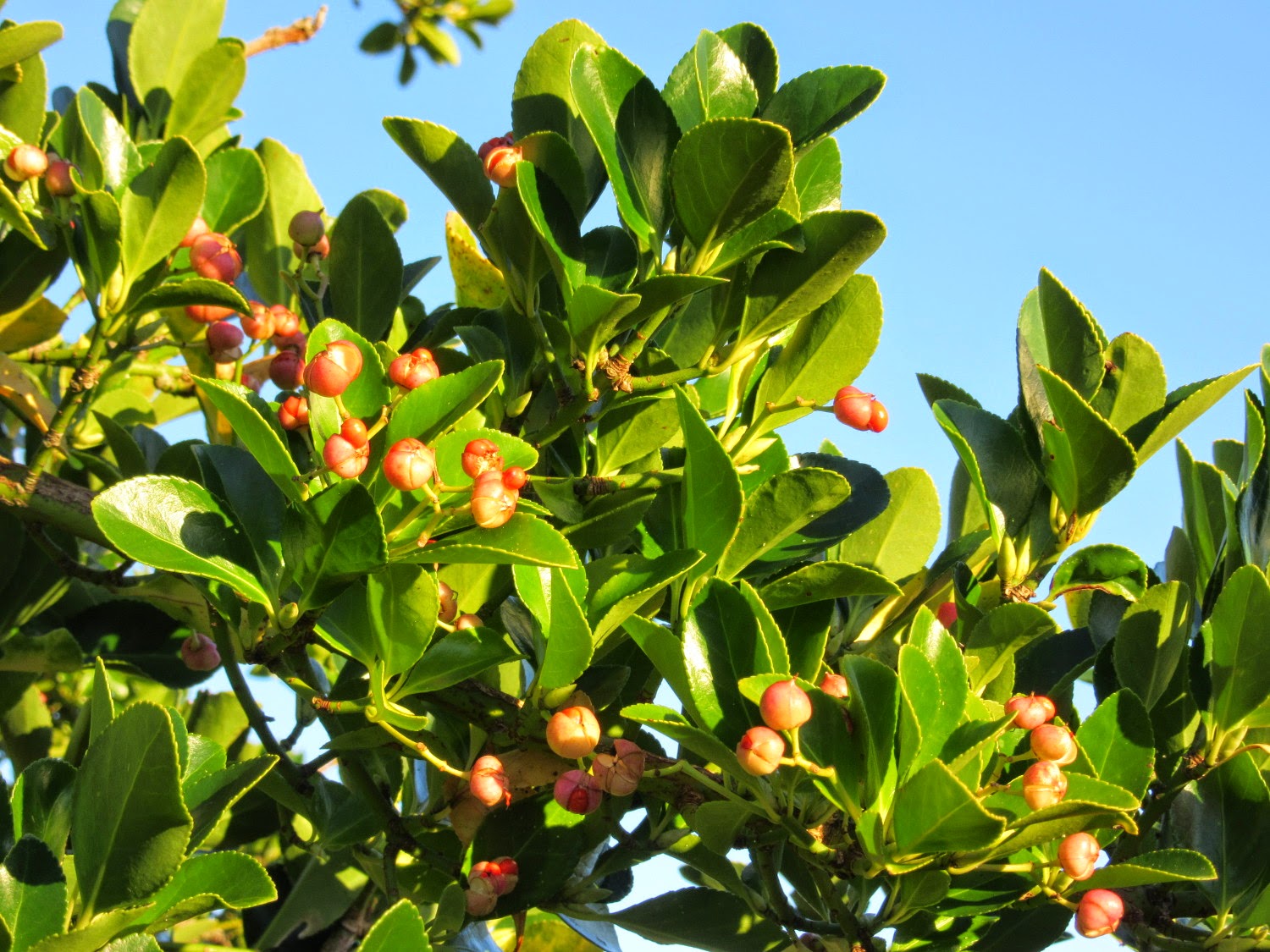
Euonymous berries. When this hedge plant is let to grow a while - perhaps after 2 years of not being cut it sends out flowers. These lovely berries appear in mid-winter and are a favourite of wood pigeons.

Phacelia in flower in December. It's a green manure that normally doesn't flower in winter, but the weather has been so mild it thinks it's spring!

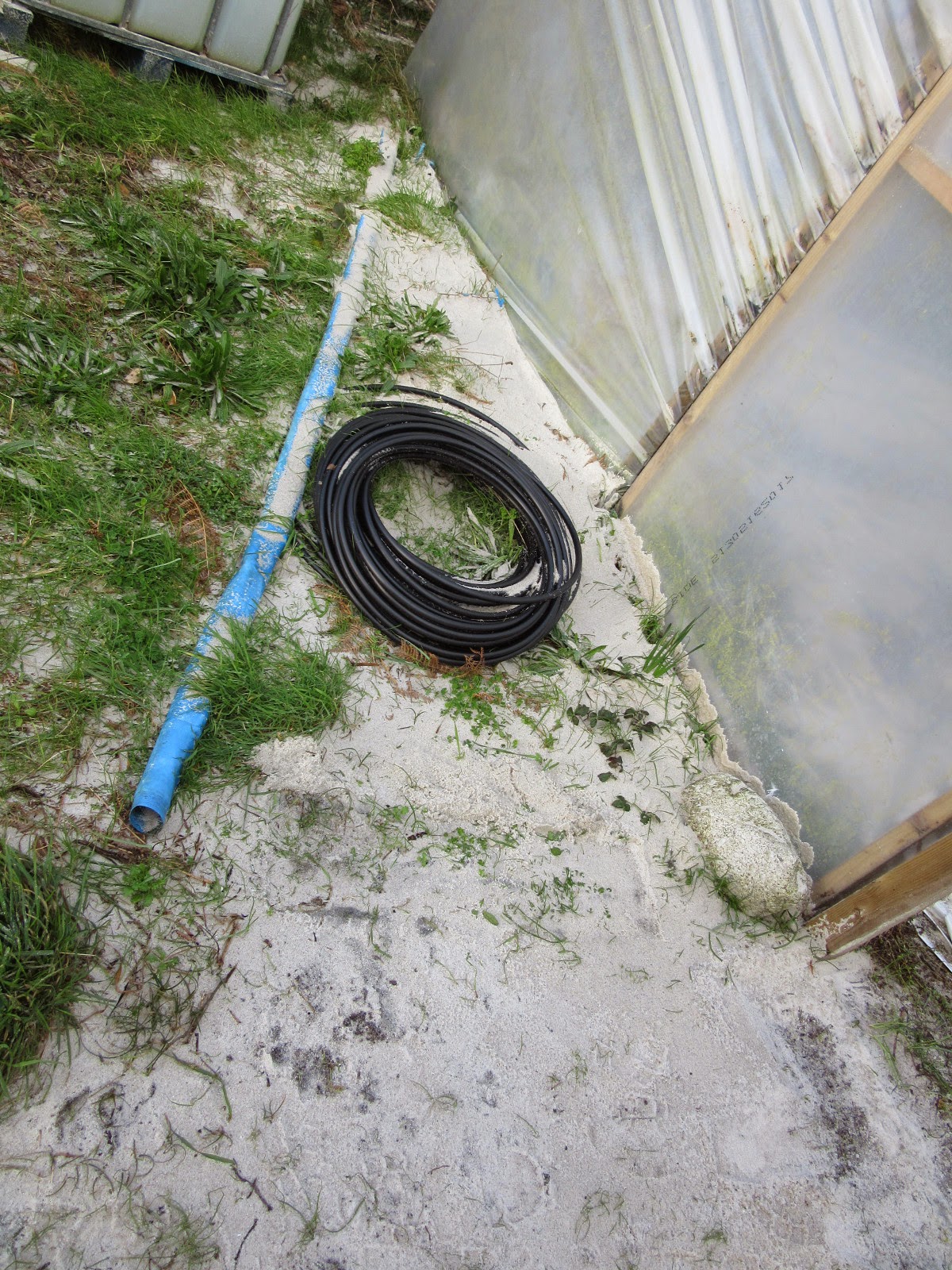
The storm on Jan 15th/16th blew up lots of sand off the beach, it was raining sand for at least 24 hours

Sand piled up against the polytunnel

Sunset over Samson in January

Par beach on January 18th

Farm hedges in January. We cut about one third of all hedges every year. 

Late afternoon in January - St Agnes

Sunset over Samson

View towards Bishop Rock and Samson

Sunrise over Great Bay